
Owning a pool is a joy, but it also comes with responsibilities. One of the most important steps in caring for your pool is scheduling a winter pool inspection. Even though winter means you are not swimming, your pool still needs attention. Small problems can grow into big, expensive ones if ignored for months. By having your pool checked during winter, you can save time, money, and stress later when summer arrives, and you want to enjoy your pool without issues.
A winter pool inspection is not just about avoiding damage from cold weather. It is also about protecting your pool equipment, keeping your water balanced, and keeping everything safe. In places like Northwest Arkansas, winter weather can change quickly. Cold nights, warm days, rain, and wind can all affect your pool. A professional inspection helps you spot problems early, fix them while they are still small, and keep your pool in good condition through the cold season and into the next swim season.
Why Winter Pool Inspections Are Important
Many pool owners think that once the weather cools down, their pool is safe because no one is swimming. The truth is that a pool can still face issues even in winter. Water freezing and thawing can put pressure on the pool walls and plumbing. Equipment left untouched can develop faults that go unnoticed until spring. Even small cracks or leaks can grow over time if left unchecked.
A winter pool inspection helps you find these risks before they become major problems. An inspection gives you a clear picture of your pool’s health when you may not be paying close attention. This allows you to schedule repairs or maintenance work before the weather gets warmer. When you address problems early, you avoid the rush and higher costs that often come in spring, when everyone suddenly wants pool service.
A winter pool inspection is also a good way to protect your investment. Pools are expensive structures with many parts that must work together. Pumps, heaters, filters, plumbing, and surfaces all need care. By checking these in winter, you ensure your pool lasts longer and performs better when you use it again.
What Happens During a Winter Pool Inspection
When a trained pool professional performs a winter pool inspection, they look at several key elements of your pool. These checks help find issues that might not be obvious to someone who is not trained. Below are the main areas that are usually inspected.
Checking the Pool Structure
The first thing a pool inspector looks at is the pool’s structure. This includes the pool walls, floor, tiles, and coping. The inspector looks for cracks, chips, or signs of shifting. Even small cracks can allow water to escape or enter places where it should not. In Northwest Arkansas, winter temperature swings can cause cracks to grow over time. Checking the structure early helps homeowners fix small issues before they grow into larger problems.
Inspecting Pool Equipment
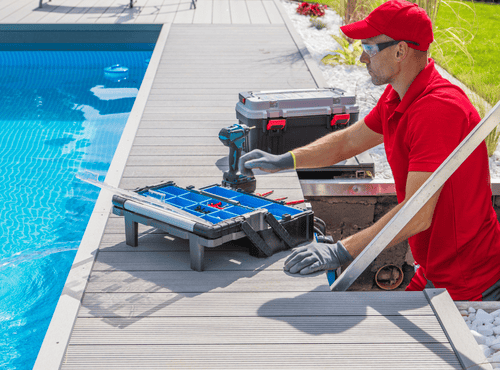
Pool equipment is just as important as the pool shell. Pumps, heaters, filters, and valves all help keep your pool working well. During a winter pool inspection, the technician checks each piece of equipment to ensure it is functioning correctly and properly winterized. Winterization means preparing the equipment so that cold weather will not damage it. Poorly winterized equipment may fail or need costly replacement in the spring.
Inspectors also check for leaks in plumbing and connections. Leaks can reduce water circulation and damage parts of the pool system. Identifying them in winter can prevent bigger problems later.
Testing Pool Water
Even in winter, water chemistry matters. The inspector will test your pool water to check pH levels, chlorine, and other chemical balances. Unbalanced water can cause staining, corrosion, or algae growth. Algae can form even in cooler weather if conditions are right, and it is much easier to treat in winter before it spreads. Balanced water helps protect your pool surface and equipment.
Examining Pool Covers and Safety Features
A winter pool inspection also involves looking at covers and safety features around your pool. The pool cover should be snug, free of tears, and secure. A damaged cover can allow debris, leaves, or rainwater to enter the pool, making cleaning harder and potentially affecting water quality. In addition, a properly fitted pool cover helps conserve water. According to the U.S. Environmental Protection Agency’s WaterSense program, pool covers can reduce water evaporation by up to 95 percent, helping maintain water chemistry and reducing the need for added chemicals during winter. Safety barriers, such as fences and locks, are also inspected to ensure they are intact. These features protect both pets and children from accidents.
Common Problems Found in Winter Inspections
Winter pool inspections often reveal issues that homeowners might not notice on their own. Here are some of the most common problems found:
- Cracks or leaks in the pool structure. Even tiny ones can grow over time.
- Faulty or damaged equipment. Pumps that do not run right, heaters that fail, or filters that are clogged.
- Water chemistry issues. Water that is too acidic, too basic, or unbalanced in chemicals.
- Cover damage. Tears, sagging covers, or poor fits that allow debris to enter the pool.
Findings like these allow homeowners to take action early. Waiting until spring often means repairs cost more, schedules are busy, and your pool may not be ready when you want to use it.
Why Winter Pool Inspections Matter in Northwest Arkansas
Pools in Northwest Arkansas face specific conditions that make winter inspections especially useful. Winters here can be unpredictable. Nights can be cold enough for freezing, while days may warm up. These temperature changes can cause materials to expand and contract. Over time, this stress can lead to cracks or other issues.
In addition, Northwest Arkansas can have damp weather in winter. Humidity and rain can affect water balance, leading to algae problems. Winter storms can blow leaves, branches, and other debris into uncovered or poorly covered pools. All of these conditions make a winter checkup worthwhile.
Local pool professionals know these regional patterns. They understand how weather trends in Northwest Arkansas affect pools. When they conduct an inspection, they can give advice based on local experience. This helps homeowners prepare for specific challenges that pools face in this area.
How Winter Inspections Save You Money
One of the biggest benefits of a winter pool inspection is cost savings. When problems are found early, repairs are usually smaller and less expensive. For example, fixing a small crack or adjusting chemical levels in winter is less costly than repairing structural damage or repainting surfaces in spring.
Equipment issues caught early can prevent complete breakdowns. A pump that is working poorly in winter might be serviced before it fails during the swim season. This keeps you from having to replace expensive parts at the last minute.
A winter inspection also helps avoid emergency repairs. When you skip a winter check, you might not notice an issue until the pool is already in use. Emergency repairs often cost more, and service appointments can be hard to schedule when everyone else is also preparing for summer.
What Homeowners Can Do Between Inspections
While a professional inspection is important, homeowners can also do simple checks on their own. Here are a few things you can do between inspections:
- Look at your pool cover to make sure it is secure.
- Check water levels and make sure they have not dropped too low.
- Remove debris from around the cover so it does not fall inside.
- Run the equipment for a short time to make sure it still operates.
These simple steps help keep your pool in good shape and make the professional inspection more effective.
When to Schedule Your Winter Pool Inspection
Ideally, a winter pool inspection should be done soon after temperatures begin to drop. Early winter inspections give you time to find and fix problems before cold weather gets worse. In Northwest Arkansas, this might mean scheduling your inspection in late fall or early winter.
If you have not already scheduled an inspection this winter, it is still a good idea to call a pool professional now. The sooner issues are found, the easier they are to fix.
Conclusion
Even though your pool may not be in use during winter, it still needs care and attention. A winter pool inspection helps identify problems early, protects equipment, maintains water quality, and prepares your pool for the next swim season. Homeowners in Northwest Arkansas face weather conditions that make inspections even more valuable.
Scheduling a winter inspection now can save time, money, and stress later. Contact BC Pools today to schedule your winter pool inspection and make sure your pool stays in great condition through winter and into many summers to come. Taking care of your pool now means you can enjoy it without worries when warmer weather arrives.