
Gunite Pool Construction Process in Northwest Arkansas
A guide to how a custom gunite pool is built in Northwest Arkansas from planning to final completion.
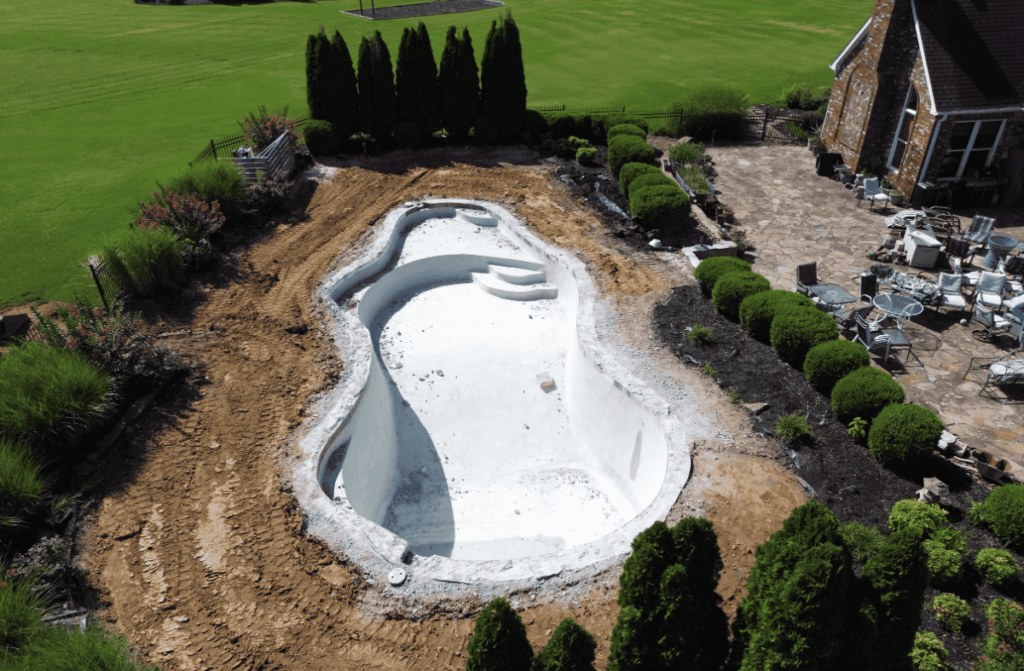
Gunite pool is one of the strongest and most customizable types of in-ground pools available today. This type of construction is done completely on-site, which allows full control over shape, depth, design, and long-term performance.
In Northwest Arkansas, these pools are especially popular because they handle shifting soil conditions well and allow full customization for residential backyards with slopes, tight access, or complex layouts.
This guide explains the real gunite pool construction process used in professional builds, including what happens at each stage, what can affect the timeline, and what homeowners should know before construction begins.
What Is Gunite Pool Construction?
Gunite pool construction is a structural building method where a steel rebar framework is installed first, then a high-pressure concrete mixture is sprayed over it to form a solid pool shell.
Unlike fiberglass or vinyl pools, everything is built from scratch on-site. This means the pool is not limited by factory shapes or pre-made molds.
From a construction standpoint, this method is preferred when:
- The yard has slope or elevation changes
- Custom shapes are required
- long-term durability is a priority
- High-end finishes or features are planned
Gunite Pool Construction Process Overview
Every professional build follows a structured sequence. Skipping or rushing any step can lead to structural issues later.
Typical construction phases include:
- Design and engineering planning
- Excavation and layout preparation
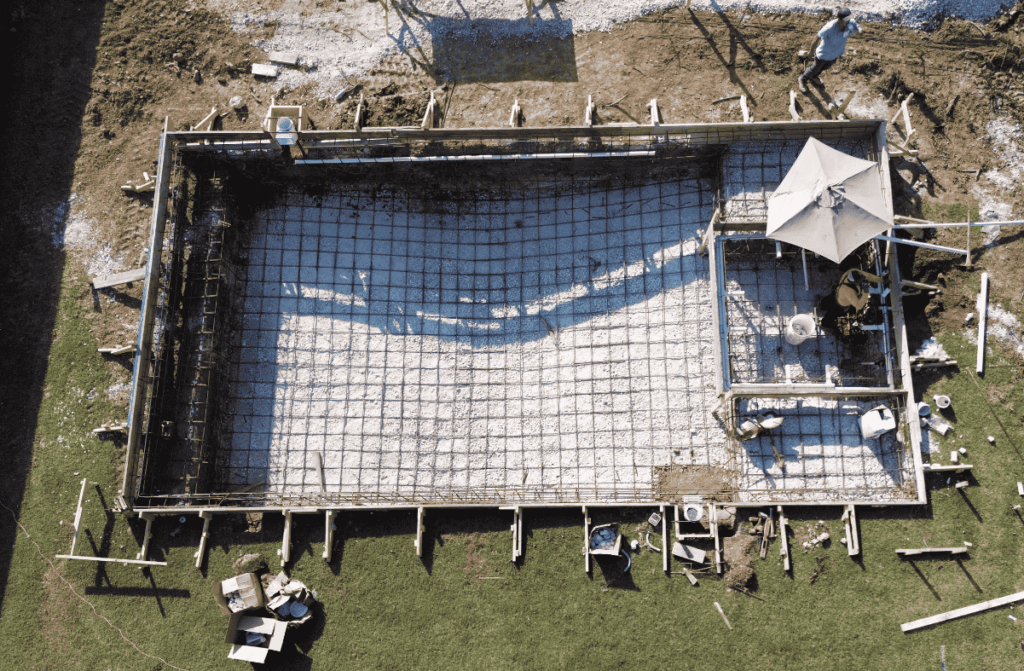
- Steel reinforcement installation
- Gunite application
- Plumbing and electrical rough-in
- Structural curing period
- Tile, coping, and interior finish work
- Startup, balancing, and inspection
Each stage builds on the previous one. That is why timing and sequencing are critical.
Step-by-Step Gunite Pool Construction Process
1. Design and Engineering Planning
This is where the entire project is defined before any digging begins.
A professional design process evaluates:
- yard slope and drainage flow
- soil conditions and stability
- access for excavation equipment
- sun exposure and pool placement
- desired features like spas, tanning ledges, or water elements
One of the most common mistakes at this stage is designing a pool without considering equipment access. Poor access can significantly increase costs and extend the construction timeline.
This stage is typically handled by a gunite pool builder, who finalizes design decisions and prepares a build-ready plan.
2. Excavation and Site Preparation
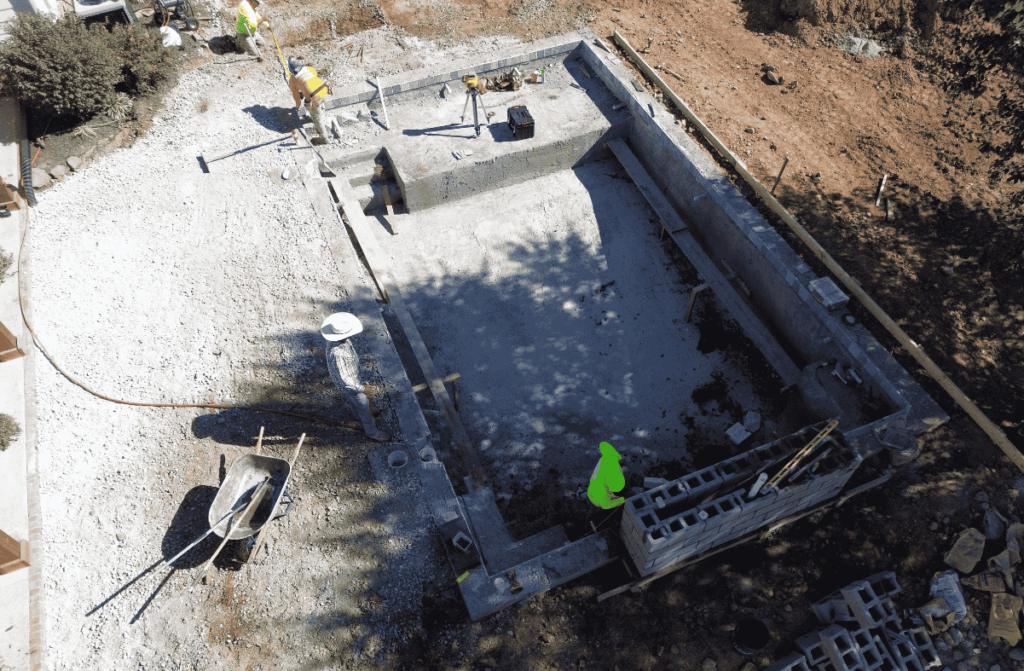
Excavation is where the pool becomes physically visible.
The layout is marked and heavy machinery removes soil according to the design.
What affects this stage:
- rocky soil conditions
- clay-heavy ground common in Northwest Arkansas
- tight backyard access
- unexpected underground obstacles
Excavation issues are one of the top reasons for early project delays. A proper site evaluation reduces risk before digging starts.
3. Steel Reinforcement Installation
Steel rebar is installed to form the pool’s structural skeleton.
This framework defines:
- shape accuracy
- wall strength
- floor stability
- long-term durability
Weak or uneven rebar spacing can cause structural cracking over time. Professional installers follow strict spacing and bending standards to prevent future movement.
This is one of the most critical steps in gunite pool construction because everything depends on this structure holding its shape.
4. Gunite Application
Gunite is sprayed at high pressure over the steel framework.
This creates the solid concrete shell that becomes the permanent structure of the pool.
Crews shape in real time:
- walls
- floors
- steps
- benches
- curves and custom features
Once gunite is applied, changes are no longer possible. This is why pre-spray inspection is extremely important.
5. Plumbing and Electrical Rough-In
After the shell is formed, all underground systems are installed.
This includes:
- circulation plumbing lines
- main drains and returns
- electrical wiring for lights
- filtration and equipment connections
All systems are pressure tested before moving forward.
Poor plumbing layout can reduce circulation efficiency and increase long-term maintenance costs. Proper design ensures balanced water flow across the entire pool.
6. Curing and Structural Strengthening
The pool shell must cure properly before finishing work begins.
During this time:
- Concrete hardens and strengthens
- Moisture stabilizes within the structure
- Surface becomes ready for finishing materials
Rushing this stage can lead to surface issues later, such as cracking or weak bonding with interior finishes. Proper curing time is essential for long-term durability.
7. Tile, Coping, and Interior Finish
This is where the pool begins to take its final appearance.
Work includes:
- waterline tile installation
- coping around the pool edge
- interior finish application such as plaster, quartz, or pebble
Interior finish selection affects both appearance and maintenance. Smoother finishes are easier to clean, while aggregate finishes offer longer lifespan and better stain resistance.
8. Filling, Startup, and System Balancing
The final stage prepares the pool for use.
Steps include:
- controlled filling process
- equipment startup and testing
- water chemistry balancing
- final inspection and walkthrough
Once completed, the pool is fully operational.
Gunite Pool Construction Timeline
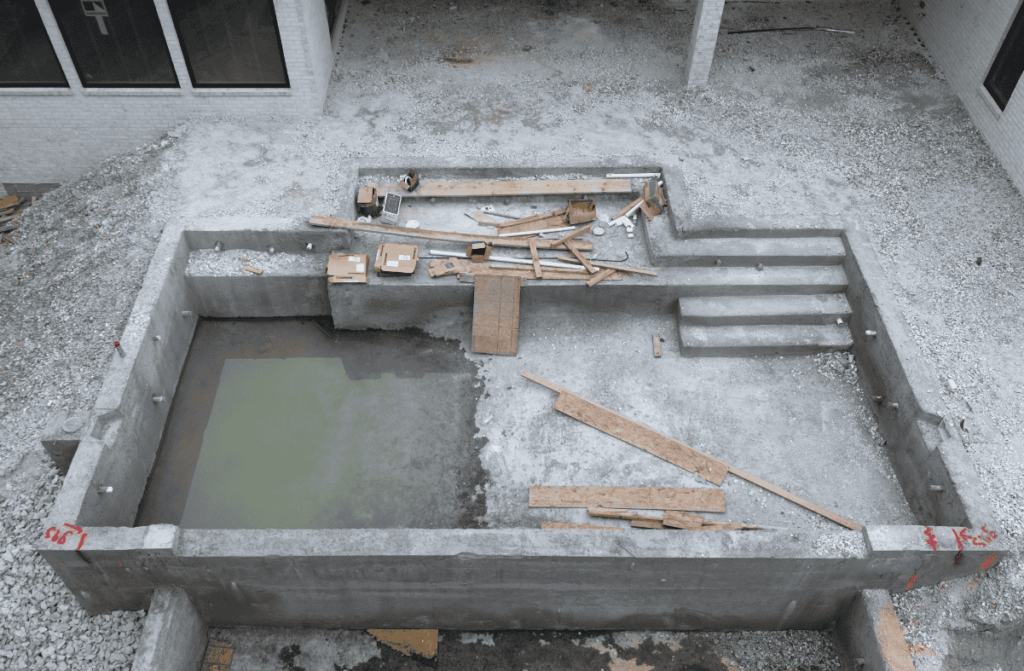
The gunite pool construction timeline depends on design complexity, weather, and site conditions.
Typical ranges:
- Standard projects: 8 to 10 weeks
- Custom or complex builds: 10 to 14 plus weeks
Weather delays are normal in outdoor construction. Rain and temperature changes can impact curing time and scheduling more than any other factor.
What Affects Gunite Pool Cost and
Build Time
Several factors influence both cost and timeline:
- excavation difficulty
- soil conditions
- access limitations
- custom design features
- material selections
- weather conditions
Understanding these early helps prevent unexpected delays or budget adjustments.
You can explore this more through gunite pool cost in Northwest Arkansas.
Why Gunite Pools Are Ideal for
Northwest Arkansas
Gunite pools perform especially well in this region due to:
- adaptable construction for shifting soil
- strong structural reinforcement
- flexibility for sloped yards
- long-term durability in changing weather conditions
- unlimited design customization
This makes them a top choice for homeowners building custom outdoor living spaces.
Common Construction Mistakes to Avoid
From real-world projects, these are the most common issues:

Poor Site Access Planning
Limited or difficult access for equipment can slow down construction and increase overall project costs.

Rushing Curing Time
Skipping proper curing time can weaken the pool structure and lead to long-term surface problems.

Changing Design After Excavation
Making design changes after digging has started can cause delays, added costs, and structural adjustments.

Incorrect Plumbing Layout
Poorly planned plumbing can reduce water circulation efficiency and increase long-term maintenance issues.

Underestimating Drainage Needs
Ignoring proper drainage planning can lead to water pooling, soil movement, and structural stress around the pool.
Frequently Asked Questions (FAQ)
How much does a gunite pool cost in Northwest Arkansas?
Gunite pool cost typically ranges from $70,000 to $150,000+, depending on size, design complexity, and site conditions. Custom features like spas, waterfalls, and premium finishes can increase the total price.
How long does gunite pool construction take?
Most gunite pool projects take about 8 to 12 weeks to complete. The timeline can vary based on weather, design complexity, and permit approvals.
What is the gunite pool installation process?
The installation process includes excavation, steel reinforcement, plumbing and electrical setup, gunite application, curing, plaster finishing, and final inspection before the pool is filled.
How is a gunite pool built?
A gunite pool is built in stages starting with excavation and steel framing, followed by spraying concrete, curing, plastering, and final finishing work. Each stage must be completed in sequence for durability.
How long does a gunite pool last?
A gunite pool can last 30 to 50 years or more with proper maintenance. The structure is extremely durable, while the surface may need refinishing over time.
How often does a gunite pool need resurfacing?
Most gunite pools need resurfacing every 8 to 15 years depending on water chemistry, usage, and finish type. Proper maintenance can extend the surface lifespan.
Get free consultation
Get a Free Gunite Pool Quote Today
If you are planning a custom pool in Northwest Arkansas, our gunite pool builder services can help design and build a pool that fits your space, budget, and long-term goals.