
Cold weather can be tough on pools, especially in NWA, where winter nights often dip below freezing. If you own a pool, understanding how your pool type reacts to cold temperatures is crucial. This guide explains how cold weather affects fiberglass vs gunite pools, so you can protect your investment and enjoy your pool for many years without costly repairs.
Fiberglass and gunite pools are very different in materials and construction. Fiberglass pools are flexible and prefabricated, while gunite pools are rigid and built on-site with concrete. Because of these differences, cold weather impacts them in unique ways. Knowing these distinctions helps pool owners plan proper winter maintenance, prevent damage, and extend the life of their pool.
Quick Overview of Pool Types
Fiberglass Pools
Fiberglass pools are pre-formed shells made of fiberglass reinforced plastic. They are installed as a single piece, which makes them smooth, durable, and easier to maintain. Fiberglass pools are known for their flexibility, which allows them to handle movement and pressure without cracking. Their gelcoat surface is smooth, resistant to stains, and prevents algae growth. In NWA, fiberglass pools are popular because they require less maintenance during winter and are quicker to install than other pool types.
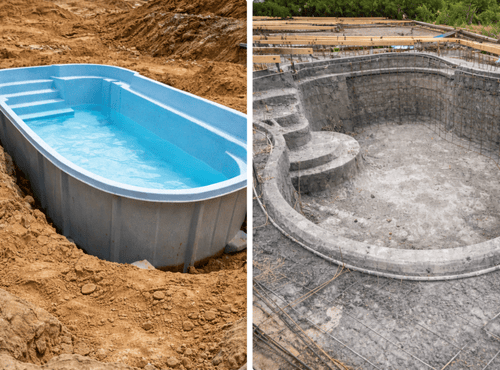
Fiberglass pools come in various sizes and shapes, but being factory-made ensures a uniform and strong surface. This uniformity helps resist stress from freezing temperatures. Minor cracks or stress marks are rare, and owners often notice that the surface remains intact even during freeze-thaw cycles.
Gunite Pools
Gunite pools are built on-site using a mixture of concrete and sand sprayed over a steel rebar framework. This allows complete customization in shape, size, and depth. Gunite pools are durable and long-lasting, but the concrete shell is rigid and less forgiving during cold weather. Plaster, tiles, or pebble finishes are more likely to chip or crack if water freezes inside the pool.
In NWA, gunite pools require more attention in winter because sudden freezes or snow can stress the materials. Without proper winterization, minor cracks can expand and lead to expensive repairs in spring, including resurfacing or replacing tiles.
How Cold Weather Impacts Pools in General
Freezing temperatures affect all pools. Ice expands as it forms, creating pressure against pool walls and equipment. According to the U.S. Consumer Product Safety Commission, pools in regions with freezing winter temperatures experience up to 15% higher risk of structural or plumbing damage if not properly winterized. Even a thin layer of ice can damage pumps, filters, heaters, or plumbing if precautions are not taken. Cold water also disrupts chemical balance, making it harder to maintain safe water quality and clean surfaces.
In NWA, winter can be unpredictable. Temperatures can dip below 20°F on some nights, then rise during the day, creating freeze-thaw cycles. Pools that are not properly prepared for these fluctuations can develop cracks, equipment damage, or chemical imbalances. Understanding how each pool type reacts is crucial to preventing long-term damage.
Fiberglass Pools in Cold Weather
Material Response
Fiberglass pools are highly flexible. This flexibility allows the pool shell to absorb minor expansion and contraction caused by ice or cold temperatures without cracking. The gelcoat surface is strong and resistant to stress, so minor cracks or stress marks are rare. In extreme winter conditions, fiberglass can slightly flex under ice pressure, reducing the risk of serious structural damage.
Fiberglass also handles minor ground movement or soil settling better than rigid materials, which is an added benefit in NWA’s freeze-thaw cycles.
Water and Ice Effects
Ice can form on any pool’s surface during freezing nights. Fiberglass pools tolerate ice better because the shell can flex slightly under pressure. Pool owners should still maintain proper water levels to avoid excess pressure on the walls. Leaving water slightly below the skimmer line gives space for ice expansion and reduces stress. Using small air pillows in the center can absorb ice pressure and further protect the pool walls.
Winterization Tips for Fiberglass Pools
Even though fiberglass is resilient, proper winter preparation is important:
- Partial Draining: Reduce water slightly if freezing temperatures are expected, but avoid completely emptying the pool, which can cause the shell to shift.
- Pool Cover: Use a strong, tight-fitting cover to protect from debris, rain, and ice accumulation.
- Equipment Protection: Pumps, heaters, and filters should be drained or insulated to prevent freezing.
- Chemical Balance: Check and adjust pH and sanitizer levels before winter to prevent corrosion or algae growth.
These steps help ensure your fiberglass pool in NWA survives winter safely and is ready for spring without costly repairs.
Gunite Pools in Cold Weather
Material Response
Gunite pools are made of rigid concrete, which does not flex under pressure. Freezing water can crack the plaster, tiles, or coping. Spalling is a common problem where the surface chips or flakes off due to repeated freeze-thaw cycles. In NWA, where temperatures can fluctuate rapidly, gunite pools require careful attention. Even minor cracks can expand during winter, creating more extensive damage.
The plaster finish is smooth and attractive, but especially vulnerable. Tile edges and grout lines can chip if ice pushes against them, making inspections and preparation essential before winter.
Water and Ice Effects
Water expansion in a gunite pool can stress walls, coping, and plumbing. Pipes that are not properly drained or insulated are prone to cracking. Even a thin layer of ice can create pressure points on the rigid shell, damaging surfaces over time. Minor cracks may appear early in the winter and worsen if left unaddressed.
Proper water level management is critical. Unlike fiberglass, gunite pools cannot flex under ice, so covering the pool and leaving space for ice expansion are essential steps.
Winterization Tips for Gunite Pools
Winterizing gunite pools is more involved:
- Drain the Pool: Lower the water below skimmers and returns to reduce pressure on walls.
- Cover the Pool: Use a strong winter cover to prevent debris accumulation and protect the surface.
- Plumbing Protection: Add antifreeze to exposed plumbing lines to prevent freezing and cracking.
- Inspect Surfaces: Check plaster, tiles, and coping for cracks or damage before and after winter.
- Equipment Care: Pumps, heaters, and filters must be drained and stored or insulated.
Following these steps reduces the risk of winter damage and minimizes repair costs in spring.
Side-by-Side Comparison: Fiberglass vs Gunite
Fiberglass pools are flexible and handle ice expansion well, while gunite pools are rigid and more likely to crack. Fiberglass winterization is simpler and less costly, whereas gunite requires more complex preparation. Equipment risk is lower for fiberglass pools when basic winter prep is done, but gunite pools need antifreeze and insulation. In the long term, fiberglass pools can last decades with minor maintenance, while gunite pools last long but their surfaces may need repairs after harsh winters.
A simple comparison table:
| Feature | Fiberglass | Gunite |
| Flexibility | Flexible, resists cracking | Rigid, high risk of cracking |
| Ice Pressure | Handles minor ice | Ice can stress walls and surfaces |
| Winterization Effort | Simple | More complex |
| Equipment Risk | Low | Moderate to high |
| Cost Considerations | Lower winter repair cost | Higher winter prep and repair costs |
| Longevity | Lasts for decades with minor care | Long-lasting, but the surface may need repair |
Common Mistakes Pool Owners Make in Cold Weather
Many pool owners in NWA make simple mistakes that can cause major winter damage:
- Leaving water at the wrong level, causing ice stress
- Not using a pool cover, exposing the pool to debris and ice
- Ignoring plumbing winterization, leading to cracked pipes
- Forgetting chemical balance, which can corrode surfaces or promote algae
- Skipping inspections for cracks or chips, allowing minor damage to grow
Avoiding these mistakes saves money and keeps your pool ready for summer.
Expert Tips for Cold-Weather Pool Care
To protect your pool in NWA winters:
- Inspect for cracks or weak spots before and after freezes
- Use pool covers and chemical winter kits to reduce ice pressure and maintain water quality
- Professional winterization is recommended for gunite pools
- Pumps, filters, and heaters must be drained or insulated
- Monitor NWA winter weather: sudden freezes and snow are common, so preparation is key
Even fiberglass pools benefit from basic winter prep. Spending time in the fall ensures your pool survives winter safely.
Conclusion
Cold weather affects fiberglass and gunite pools differently in NWA. Fiberglass pools are flexible and can handle freezing better, while gunite pools are rigid and more susceptible to cracking. Understanding these differences allows pool owners to choose the right winterization strategies, protect their investment, and enjoy their pool for many years. By checking water levels, covering the pool, protecting equipment, and inspecting for damage, NWA pool owners can keep their pools healthy and ready for summer.
\If you want expert advice or professional winterization services for your pool, BC Pools is here to help. Our team specializes in both fiberglass and gunite pools, ensuring your pool stays safe during cold weather and is ready for summer enjoyment. Contact us today to schedule a consultation and protect your pool investment in Northwest Arkansas.