
Cold weather can cause serious damage to your pool if it is not handled correctly. One common mistake pool owners make is turning off the pool pump during freezing temperatures. While it may seem like a way to save money or prevent issues, shutting the pump off can lead to frozen pipes, cracked equipment, and costly repairs.
Keeping your pool pump running during a freeze helps protect your plumbing, equipment, and overall pool system. This blog explains why the pump should stay on, what can happen if it is turned off, and the proper steps to protect your pool during freezing weather.
How Freezing Temperatures Affect Your Pool
Water behaves differently when temperatures drop. When water freezes, it expands. This expansion is what causes damage inside pool systems. Pool plumbing is full of water, and when that water freezes, it pushes outward on pipes and equipment.
Your pool has many parts that can be damaged by freezing temperatures. These include underground pipes, above ground pipes, the pump itself, the filter, valves, and heaters. Even a short freeze can cause problems if water is sitting still inside the system.
Many people believe that freezing only affects pools in very cold areas. That is not true. Even places that only get a few freezing nights each year can see serious pool damage. A single hard freeze is enough to crack pipes and ruin equipment.
What Happens When You Turn Off Your Pool Pump During a Freeze
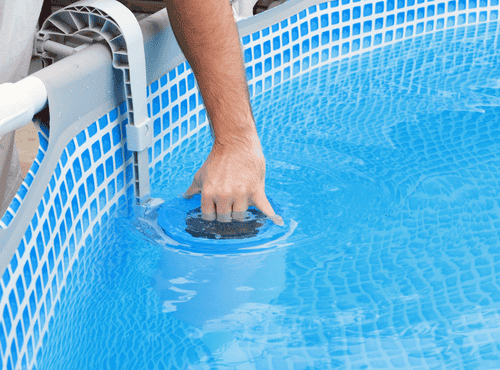
When the pool pump is turned off, water stops moving. That water stays trapped inside pipes and equipment. If temperatures drop low enough, that trapped water can freeze.
Once water freezes inside a pipe, it expands. Pipes are not built to handle that kind of pressure. As a result, pipes can crack or burst. This damage often happens inside the ground or inside equipment where it cannot be seen right away.
Many pool owners do not notice freeze damage until they turn the system back on. At that point, water starts leaking everywhere. Repairs can include digging up the yard, replacing pipes, fixing the pump, or even replacing the filter or heater.
Turning off the pump during a freeze does not protect the system. It puts it at higher risk.
Why Running Your Pool Pump Helps Prevent Freezing
Running the pool pump keeps water moving through the system. Moving water is much harder to freeze than water that is standing still. Even when temperatures drop below freezing, circulating water stays warmer than the surrounding air.
When water flows through pipes, it spreads out the cold and prevents ice from forming in one place. This constant movement helps protect pipes, valves, and equipment from freezing solid.
The pump also pulls slightly warmer water from deeper in the pool. This warmer water flows through the plumbing and helps keep everything above freezing. This simple action can prevent thousands of dollars in damage.
Should You Run the Pool Pump All Night During a Freeze
Yes, in most cases, your pool pump should run continuously during freezing weather. Freezing temperatures often happen overnight and early in the morning. That is when the risk is highest.
If temperatures are expected to stay below freezing for several hours, leaving the pump running all night is the safest option. Short run times are not enough to protect the system.
Some pool owners try to turn the pump on and off during cold weather. This can actually make things worse. Water that stops moving can freeze quickly, especially in exposed pipes.
Understanding Freeze Protection Settings
Many modern pool systems have a freeze protection feature. This setting automatically turns on the pump when temperatures drop close to freezing.
Freeze protection is helpful, but it should not be trusted without checking it first. Sensors can fail, settings can be incorrect, and power outages can disable the system.
It is important to test freeze protection before cold weather arrives. Make sure the pump turns on when temperatures drop. Also confirm that water is flowing properly through the system.
Even with freeze protection, it is a good idea to monitor your pool during freezing weather. A quick check can prevent major damage.
Is It Expensive to Run a Pool Pump During a Freeze
Many people turn off their pool pump because they worry about electricity costs. Running the pump does use power, but the cost is small compared to repair bills.
Freeze damage repairs can cost hundreds or even thousands of dollars. Replacing cracked pipes, damaged pumps, and broken heaters is far more expensive than a few nights of extra electricity.
Think of running your pump during a freeze as insurance. It is a small cost that protects a much larger investment.
Parts of the Pool System Most at Risk
Some parts of your pool are more likely to suffer freeze damage than others. According to the U.S. Consumer Product Safety Commission, there were an average of 358 pool‑ or spa‑related fatal drownings per year from 2019–2021, and about 6,500 nonfatal drowning injuries treated in emergency departments annually from 2021–2023. Maintaining your pool properly, including running the pump during freezing weather, helps protect both your equipment and the people using it.
Pipes are the most common problem. Underground pipes can crack without any visible signs until the system is turned back on. Above ground pipes are even more vulnerable because they are exposed to cold air.
The pool pump itself can crack if water freezes inside the housing. The filter can also be damaged if ice forms inside it. Pool heaters are especially expensive to repair and replace.
Valves, fittings, and seals are smaller parts, but they are still costly to fix. A single cracked valve can lead to major leaks.
Additional Steps to Protect Your Pool During a Freeze
Running the pump is the most important step, but there are other things you can do to protect your pool:
- Make sure the water level is correct. Water should be high enough to allow proper circulation through the skimmers.
- Insulate exposed pipes using foam covers or towels. This adds another layer of protection against cold air.
- Remove pool accessories like cleaners, hoses, and fountains. These items can trap water and freeze easily.
- Check pump lids and skimmer lids to ensure they are secure. Cracked lids allow cold air to enter and increase freezing risk.
- Pay attention to the weather forecast. Preparing ahead of time is much easier than dealing with damage later.
Signs of Freeze Damage After Cold Weather
After a freeze, watch for signs of damage when you turn the system back on:
- Leaks around equipment
- Reduced water flow
- Unusual noises from the pump
- Air bubbles or low pressure in the system, which can indicate cracked pipes
If something does not seem right, turn off the system and call a pool professional. Running the pump during freezing weather greatly reduces the chance of these problems.
When to Call a Pool Professional
If you are unsure how to protect your pool during freezing temperatures, it is best to call a professional. They can inspect your system, check freeze protection settings, and make sure everything is ready.
After severe freezing weather, a professional inspection can catch hidden damage before it becomes a bigger issue.
Pool professionals have the tools and experience to protect your pool the right way.
Keep Your Pool Safe
Turning off your pool pump during a freeze is one of the easiest ways to cause serious and expensive damage. When water stops moving, it can freeze inside pipes and equipment, leading to cracks, leaks, and system failure.
Keeping the pump running helps protect your entire pool system by keeping water circulating and reducing the risk of freezing. A few extra hours of pump use is far less costly than repairing broken pipes, pumps, or heaters. This simple step can save you time, money, and stress during cold weather.
If you are unsure about how to protect your pool or want peace of mind before freezing temperatures arrive, a professional inspection can make a big difference. BC Pools works with pool owners to help protect their systems and avoid freeze related damage.
For expert advice or assistance, contact us today to ensure your pool is safe and running properly before cold weather hits. If you need any professional pool services to keep your pool in top condition, we’re here to help.