
Winter in Northwest Arkansas can be beautiful, but it also brings very cold temperatures that can cause serious problems for your pool heater if you are not prepared. Taking the right steps before the first freeze is essential to keep your pool heater safe and working efficiently. By following the right winter pool heater tips, you can prevent costly repairs, extend the life of your equipment, and make sure your pool is ready whenever you want to use it.
Preparing your pool heater for winter is not just about turning it off and hoping for the best. Many simple steps can make a big difference. From inspecting the heater to adjusting thermostat settings and maintaining proper water chemistry, doing a little work now can save you from major problems later. Gas heaters, electric heat pumps, and hybrid systems can all benefit from these winter pool heater tips, helping you protect your investment and enjoy peace of mind all season.
Why Winterizing Your Pool Heater Matters
Cold weather can be hard on your pool heater. Water that freezes inside the heater or pipes can expand, causing cracks, leaks, or even total system failure. This type of damage can be expensive to repair and may prevent you from using your pool until the problem is fixed. Winterizing your pool heater before the first freeze is the best way to avoid these issues and ensure your equipment lasts for many years.
Even if you do not plan to swim during the winter, protecting your pool heater is still important. Freezing temperatures can reduce your heater’s efficiency and increase wear on the system. By taking simple steps now, you save time, money, and frustration while preventing minor problems from turning into major repairs.
According to the U.S. Environmental Protection Agency, using a pool cover can prevent up to 95 percent of water evaporation. This simple step helps your pool retain heat more effectively and reduces stress on your heater during cold weather, saving time, money, and potential repairs.
Know Your Pool Heater Type
The first step in winter preparation is understanding what type of heater you have. Different heaters require different winter care.
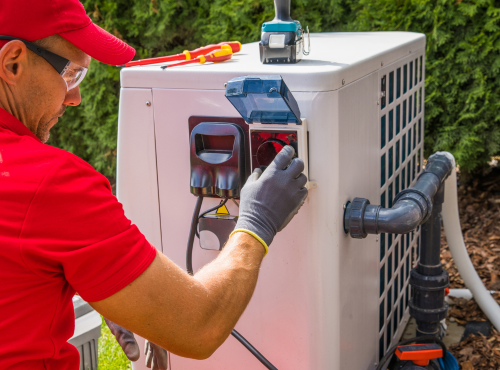
- Gas heaters are more sensitive to freezing. You need to pay attention to gas lines, pilot lights, and burners to avoid damage.
- Electric heat pumps rely on airflow and clean coils to operate efficiently. Blocking airflow or leaving debris on the coils can cause problems during winter.
- Hybrid or solar-assisted heaters may need specific steps to protect solar panels, pipes, and connections from cold weather.
Knowing your heater type helps you follow the right winter pool heater tips and ensures you are protecting your system properly.
Inspect the Heater Before Temperatures Drop
Before the cold sets in, take time to inspect your heater carefully. A good inspection can reveal small issues before they become costly repairs.
- Check for visible damage such as cracks, rust, or corrosion on the heater and surrounding pipes.
- Make sure all fittings are tight and secure. Loose connections can leak water or gas when the temperature drops.
- Inspect the heater area to ensure it is clear of debris, leaves, or snow buildup. A clean area reduces the risk of damage and helps your heater run efficiently.
- Examine gas lines, electrical components, and vents for signs of wear. Addressing these issues early keeps your system safe and operational.
Taking a detailed inspection seriously before the first freeze is one of the most important winter pool heater tips.
Clean the Pool Heater Thoroughly
A clean heater is safe and efficient. Winter preparation includes thorough cleaning.
- Remove leaves, dirt, and debris from the heater cabinet. This prevents blockages and improves airflow.
- For heat pumps, clean the coils gently using a soft brush or recommended cleaning solution. Make sure airflow is not obstructed.
- Gas heaters require checking burners and pilot assemblies for dirt or insects that may have collected inside.
- Wipe down the exterior to remove dust or buildup that could trap moisture and cause corrosion.
Cleaning your heater thoroughly before winter reduces the risk of breakdowns and keeps it operating efficiently during cold months.
Ensure Proper Water Flow
Water circulation protects your heater and keeps your pool healthy.
- Make sure your pump and filter are clean and working properly. Remove debris from skimmer baskets and check the impeller for clogs.
- Inspect and replace filters if needed before winter. Dirty filters restrict water flow, which can cause damage to the heater.
- Ensure valves are set correctly to maintain strong water circulation. Flowing water prevents freezing inside the heater and protects pipes from cracking.
Strong and consistent water flow is one of the most important winter pool heater tips for avoiding freeze damage.
Protect the Heater From Freezing
Freezing water is the main enemy of your pool heater. Protecting your system can prevent costly damage.
- Drain water from pipes leading to the heater if your system allows. This removes water that could freeze and expand.
- Use freeze protection features built into your heater, if available. Many modern heaters have sensors that activate during extreme cold.
- Insulate exposed pipes with foam covers or wrap them in weather-resistant material. This helps prevent cracks from freezing.
- Consider using a pool heater cover for additional protection against cold, snow, and ice.
Test the Heater Before the First Freeze
Testing your heater while repairs are easy is better than waiting for a cold day to find problems.
- Turn on the heater and make sure it ignites properly and maintains a consistent temperature.
- Listen for unusual noises, which may indicate worn parts or loose components.
- Watch for error codes or warning lights on the control panel. Address any issues immediately.
- Check the water temperature and confirm that the heater is warming efficiently.
Adjust Your Thermostat Settings for Winter
Proper thermostat settings help protect your heater and conserve energy.
- Maintain a baseline temperature to prevent freezing. In Northwest Arkansas, this is generally around 50 to 60 degrees Fahrenheit when the pool is not in use.
- Lower the temperature slightly if the pool is not being used, but avoid turning the heater off completely during cold snaps.
- Adjusting the thermostat correctly saves energy while protecting your pipes and heater.
Maintain Proper Pool Chemistry
Balanced water protects both your pool and your heater.
- Check pH levels, alkalinity, and sanitizer levels before winter. Balanced water reduces corrosion and scale buildup in the heater.
- Unbalanced water can cause rust, clogs, and efficiency loss, especially when cold water is circulating through your system.
- Regularly monitor chemical levels during winter if your pool is still in use.
Proper water chemistry is a simple step that protects your equipment and reduces long-term maintenance.
Keep the Area Around the Heater Safe
A safe and clean area around your heater prevents damage and extends its life.
- Clear snow, ice, and debris from around the heater.
- Make sure there is good airflow and that vents are not blocked.
- Keep the equipment pad dry to reduce corrosion and electrical issues.
- Avoid storing items near the heater that could fall or block access.
A safe environment around your heater contributes to both safety and performance.
When to Run the Heater During Freezing Weather
Even during a hard freeze, your heater may need to run to prevent damage.
- Run the heater for short periods if temperatures drop below freezing.
- Keep water circulating to avoid ice buildup inside pipes and equipment.
- Avoid short cycling, which stresses the system and can cause breakdowns.
- Continuous or properly timed operation during freezing weather keeps your pool and heater safe.
Common Winter Heater Mistakes to Avoid
Many pool owners make mistakes that could be prevented with careful preparation.
- Waiting until the cold arrives to inspect the heater
- Neglecting water flow and pipes
- Turning off the heater completely during freezes
- Ignoring error codes or unusual noises
Following winter pool heater tips carefully reduces the chance of damage and keeps your equipment working reliably.
When to Call a Professional
Some winter preparation steps are best handled by a licensed technician.
- Call a professional if you notice leaks, damaged components, or unusual operation.
- Gas heaters and complex systems require expert inspection and repair for safety.
- Professionals can also provide winterization services to fully protect your pool heater.
Hiring an expert ensures your heater is fully prepared for Northwest Arkansas winters and reduces the risk of costly repairs.
Essential Winter Pool Heater Tips for Northwest Arkansas Pools
Winter pool heater tips are essential for keeping your pool and equipment safe during cold weather. By inspecting, cleaning, and testing your heater, maintaining proper water chemistry, adjusting thermostat settings, and protecting pipes, you can prevent freeze damage and enjoy a worry-free winter. Taking these steps before the first freeze saves time, money, and stress while ensuring your pool is ready whenever you need it.
If you are in Northwest Arkansas and need help preparing your pool for winter or general pool services for your home, BC Pools is here to assist. Contact us today for expert support and guidance to keep your pool protected all season.
Frequently Asked Questions
How do I winterize a pool heater in Northwest Arkansas?
Start by inspecting the heater, cleaning debris, and checking for cracks or loose connections. Drain water from exposed pipes if your system allows and ensure proper circulation. These steps help protect your pool heater from freezing temperatures common in Northwest Arkansas winters.
Should I run my pool heater during freezing weather?
Yes, running the heater occasionally during freezing temperatures can help prevent ice from forming in the pipes and equipment. Keep water circulating through the system to reduce freeze risk. This simple step can help protect your pool heater during cold nights.
What temperature should I keep my pool at in winter?
Many pool owners keep their pool around 50 to 60 degrees Fahrenheit when it is not in use. This helps prevent freezing while avoiding unnecessary energy use. The right temperature can also protect pool equipment during cold weather.
Can freezing temperatures damage a pool heater?
Yes, freezing water inside a heater or pipes can expand and cause cracks or leaks. This type of damage may require costly repairs or replacement. Preparing your pool heater before winter helps prevent these issues.