
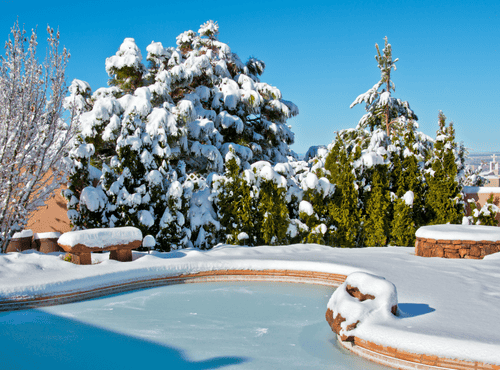
Cold winter weather can cause serious damage to backyard pools. When water freezes in your pool or plumbing, it expands, which can crack pipes, damage pumps, filters, skimmers, and even the pool structure itself. Pool freezing is a common problem in regions that experience freezing temperatures, but taking the right precautions can prevent costly repairs and stress.
Preventing pool freezing doesn’t require fancy equipment or complicated procedures. Simple, practical steps can protect your pool, your investment, and give you peace of mind all winter. These methods work for pool owners in Northwest Arkansas and surrounding areas, but the same principles apply wherever cold weather occurs.
Why Pool Freezing is a Problem
Water has a special property: when it freezes, it expands by about 9 %. This expansion puts extreme pressure on any plumbing or equipment that contains water. Pipes can crack, valves can break, and skimmers can be damaged. Even a thin layer of ice in your pool system can create stress points that lead to expensive repairs when the ice melts and pressure shifts.
Pools are more at risk when the water is still. Moving water resists freezing, so areas with poor circulation, shallow water, or stagnant pockets are the first to develop ice. Protecting your pool from freezing involves keeping water moving where possible and shielding equipment and plumbing from extreme cold.
Step 1. Keep the Water Moving
Running your pool pump during cold weather is one of the simplest ways to prevent ice from forming. Moving water freezes more slowly than still water. During freezing nights, run your pump in cycles during the coldest hours. If you have a pool automation system or freeze protection setting, turn it on.
You do not need to run the pump constantly, which can increase electricity costs and wear out the equipment. A good schedule is to run the pump in the early morning and late evening, especially during sudden cold snaps. In areas prone to power outages, consider a battery backup or a small generator to keep circulation going for a few hours if the power fails.
Step 2. Check and Balance Water Chemistry
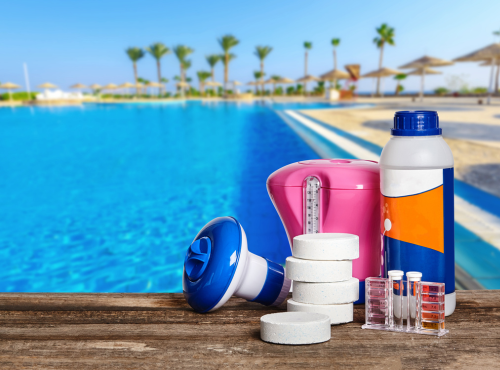
Balanced water chemistry can slightly reduce freezing risk and help protect your pool equipment. Proper levels of chlorine, pH, and alkalinity keep water healthy and prevent metal corrosion during cold months. Shock the pool before the coldest weather arrives to reduce organic matter, which can help the water circulate better.
Even if your pool is covered and not in use, check the water chemistry every few weeks. Clear water moves heat better and prevents ice from forming unevenly. Balanced water also protects plaster, liners, and metal components from damage caused by freezing temperatures and chemical imbalances.
Step 3. Adjust Water Level Correctly
The correct water level depends on the type of pool you have. For concrete pools, it is usually safe to leave water at normal levels to support walls and avoid shifting. For vinyl-lined pools, lowering the water below the skimmer prevents damage to the skimmer box and plumbing when ice expands.
Always follow the manufacturer’s guidelines for your pool type. If lowering the water, mark the level clearly so you can restore it in spring. Never let the pump run if the water level is below the skimmer intake, as this can damage the pump and cause additional problems.
Step 4. Protect Exposed Pipes and Equipment
Insulating exposed plumbing is essential in freezing conditions. Foam pipe covers, insulating blankets for pumps and motors, and wrapping valves and joints help prevent freezing. For equipment that can be safely drained, remove small parts and store them indoors to avoid damage.
If you have a heater or gas system, follow manufacturer’s instructions for winter shutdown. Drain water from heaters if needed and close gas valves if recommended. Label any closed valves clearly so you can reopen them correctly in spring. Proper insulation and preparation can prevent costly damage to your equipment.
For some homeowners, preparing all equipment for freezing temperatures can be complicated. Getting professional pool services can help ensure that pumps, filters, heaters, and plumbing are fully protected, giving extra peace of mind during cold weather.
Step 5. Use a Quality Pool Cover
A high-quality pool cover reduces heat loss and protects your pool from ice and debris. Solid covers and winter safety covers slow cooling and prevent ice from forming unevenly across the pool. A poorly covered or uncovered pool loses heat faster and is more likely to develop ice in vulnerable areas.
Ensure the cover is tight and remove any snow or water that collects on top. Standing water can damage the cover and put extra stress on the pool edges. Use a cover pump to remove water that accumulates, keeping the pool and cover in safe condition throughout winter.
Step 6. Use Air Pillows or Floats for Vinyl Pools
For vinyl-lined pools, placing air pillows or specific floats under the cover helps reduce pressure from ice. Ice can expand against the cover and damage the liner if not given room to flex. Evenly place the pillows across the center of the pool and secure the cover edges around them.
Check the floats every few weeks during winter and replace any that sink or lose shape. Properly used air pillows help the pool cover handle freezing conditions safely and prevent costly liner tears.
Step 7. Use Pool Antifreeze in Plumbing When Needed
Pool antifreeze is a non-toxic product designed for pool plumbing. It should only be used where recommended, such as lines that cannot be fully drained or areas that freeze easily. Follow product instructions carefully and measure accurately.
Many pools do not need antifreeze if plumbing can be fully drained and equipment insulated. Use it as an extra precaution for exposed pipes or older systems that are difficult to protect through standard winterization.
Step 8. Winterize Filters, Pumps, and Heaters Properly
Drain pumps and filters if the system allows, and store removable parts indoors. Backwash sand or DE filters and remove cartridges from cartridge filters, then dry and store them in a safe place. Remove drain plugs and label them to avoid losing them.
Heaters need special attention. Always follow the manufacturer’s winterizing instructions. Draining heaters properly prevents freezing inside, which can cause cracks or damage that are costly to repair in the spring.
Step 9. Regular Winter Checks
Even after winterizing, inspect your pool weekly during cold spells. Look for ice buildup on skimmers, exposed plumbing, valves, and equipment. Check pumps, filters, and heaters for unusual cracks or bulges.
If temperatures drop suddenly, run extra circulation and check chemical balance. If you see ice forming in areas that should remain clear, take action immediately. Regular checks reduce the risk of hidden damage and help you address problems early.
Step 10. Extra Measures in Extreme Cold
During sudden cold fronts, temporary steps can protect your pool. Run a slow trickle of warm water into skimmer throats to keep openings clear. Wrap exposed equipment with additional insulation or use electric heat tape rated for outdoor use.
Never pour boiling water on the pool or attempt to break ice with force. This can damage the pool surface and plumbing. Avoid using automotive antifreeze, which is toxic and not safe for pools.
What to Avoid
Do not leave your pool fully filled and unprotected in freezing climates. Never run the pump if water levels are too low. Only use products designed for pools, not automotive antifreeze. Avoid large repairs yourself if you are unsure, as mistakes during winter can lead to major damage in spring.
When to Call a Professional
Call a pool technician if you are unsure how to drain equipment safely or notice signs of damage. Pools with underground pipes, complex heaters, or gas systems may require winterization. Scheduling a professional inspection in the fall can save money by preventing damage and providing a clear winter plan for your pool type. For expert help, many homeowners rely on professional pool services to handle winterization, equipment protection, and maintenance safely.
Quick Checklist to Prevent Pool Freezing
- Run circulation during cold hours and use freeze protection if available
- Test and maintain water chemistry regularly
- Adjust the water level according to the pool type
- Insulate pipes and protect exposed equipment
- Use a strong pool cover and clear standing water from it
- Add air pillows or floats for vinyl liners
- Use pool antifreeze only as recommended
- Drain pumps, filters, and heaters as instructed
- Inspect the pool weekly during freezing temperatures
- Call a professional if you see damage or are unsure
Conclusion
Preventing pool freezing requires planning and careful action. Keeping water moving, balancing chemistry, protecting equipment, and using covers are all essential steps. Checking your pool regularly and taking extra measures during extreme cold will help prevent cracks, broken pipes, and costly repairs. Pool owners in Northwest Arkansas and similar climates can follow this guide to enjoy a safe winter and be ready for spring without unexpected damage.
Trust BC Pools for winterization, maintenance, and pool repairs. Their expert team ensures your pool and equipment are fully protected during freezing temperatures. Contact us today to schedule a consultation and keep your pool safe and ready for the next swimming season.