
If you’re searching for a pool resurfacing guide, you’ve probably already noticed your pool isn’t looking the way it used to. A swimming pool can be one of the best parts of your home, especially during the hot summers here in Northwest Arkansas. But like anything else, pools need regular care to stay in good shape. One crucial part of that upkeep is pool resurfacing. Over time, your pool’s surface can crack, discolor, or feel rough, signs that it might be time for a resurface.
Swimming pool resurfacing restores the surface, improves safety, and gives your pool a clean, refreshed look. It can also help prevent leaks, save money on future repairs, and make your pool more enjoyable for years. If your pool looks worn out or rough, resurfacing might be the solution.
What Is Pool Resurfacing?
Pool resurfacing removes the worn-out layer of your pool’s interior and applies a new finish. This helps restore the surface so it looks good and feels smooth again. It also seals any cracks or damage that may cause leaks or other issues.
Common materials used in swimming pool resurfacing include:
- Plaster – The most common and affordable option
- Pebble finishes – A durable and textured option
- Quartz finishes – Long-lasting and visually appealing
- Tiles – Great for custom designs and high-end looks
What Are the Signs That You Need to Resurface Your Pool?
Are you not sure if it’s time for a pool resurface? Look out for these common signs. Your pool might tell you it needs attention even before significant problems arise.
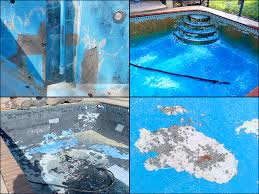
- Cracks in the pool surface
- Rough or bumpy texture on the bottom or sides
- Discoloration or staining that won’t go away
- Peeling or flaking plaster
- Water loss from unknown leaks
- A worn-down appearance that makes the pool look old
If you’re seeing structural warning signs rather than just cosmetic wear, it’s worth reading Signs Your Gunite Pool Needs Resurfacing in Northwest Arkansas for a deeper look at what separates a simple resurface from a bigger repair.
Benefits of Pool Resurfacing
Resurfacing your pool isn’t just about looks; it has several practical benefits. Here’s why pool resurfacing is worth considering:
- Improves safety – A smooth surface reduces the risk of scrapes or cuts.
- Fixes damage – It seals cracks and prevents leaks that could lead to bigger issues.
- Boosts appearance – A freshly resurfaced pool looks clean, inviting, and modern.
- Extends the life of your pool – Resurfacing adds years to your pool’s lifespan.
- Adds value to your home – A well-maintained pool can help increase property value.
Keeping your pool in good shape matters whether you use it daily or only during the summer. If your pool is already showing signs of wear, swimming pool resurfacing is a wise investment. For more information on maintaining a safe and healthy swimming environment, you can visit the CDC’s Healthy Swimming page.
When Is the Best Time to Resurface a Pool in Northwest Arkansas?
Timing can make a big difference when planning your pool resurface project. In Northwest Arkansas, the ideal time is during spring or early fall. Here’s why:
- The weather is more predictable, which helps the materials cure adequately.
- Contractors are more available than during peak summer months.
- You can finish the project before heavy use or winterization.
If possible, avoid the colder winter months. Cold weather can slow down the curing process and may affect the quality of the resurfacing job.
If your pool looks worn or you’re planning for next summer, schedule your pool resurfacing before the busy season hits.
How Long Does Pool Resurfacing Take?
Most projects run 5 to 10 days on-site, with total swim-ready time, including curing, closer to one to two weeks. Exact timing depends on your pool’s size, current surface condition, and the finish you choose, and Northwest Arkansas’s weather swings can add a day or two to curing.
For the full day-by-day breakdown of what happens during your project, see our Pool Resurfacing & Replastering timeline.
What Affects Pool Resurfacing Cost?
Cost mainly comes down to pool size, the finish you choose (plaster, quartz, pebble, or tile), and how much prep work your current surface needs — cracked or heavily worn surfaces cost more to prep than a pool that just needs a cosmetic refresh. Northwest Arkansas’s freeze-thaw winters can also push some pools toward resurfacing earlier than the standard 10–15 year window.
Most NWA homeowners pay between $6,000 and $15,000. For pricing specific to your pool, see our Pool Resurfacing & Replastering services page , for a free, itemized estimate.
Choosing the Right Pool Resurfacing Contractor in Northwest Arkansas
Not all contractors offer the same quality of service. Here are a few tips to help you find the right one for your swimming pool re-coating project:
- Check for licenses and insurance – Always verify that your contractor is certified in Arkansas.
- Look at reviews and previous work – Ask for photos or visit completed projects if possible.
- Ask about materials and process – A good contractor will explain everything clearly.
- Compare quotes – Don’t automatically go with the cheapest bid. Consider experience and customer service too.
Pool Maintenance After Resurfacing
After your pool resurfaces, take a few simple steps to keep your new finish looking great:
- Balance the water chemistry – Keep pH, alkalinity, and chlorine levels in check.
- Brush the surface regularly – This helps prevent staining, especially with new plaster.
- Clean the pool weekly – Skim debris and vacuum the bottom to reduce buildup.
- Avoid heavy use for the first week – Give the surface time to cure properly.
Good maintenance helps your resurfacing last longer and protects your investment. For a full year-round care routine, see our 2025 Pool Maintenance Checklist covering monthly, seasonal, and annual tasks.
FAQs
How often should a pool be resurfaced?
Most pools need resurfacing every 10 to 15 years, depending on the material and how well the pool is maintained.
Can I resurface my pool myself?
While DIY kits are available, pool resurfacing is best left to professionals. It involves specialized tools, materials, and knowledge to ensure long-lasting results.
What is the best material for pool resurfacing?
It depends on your goals. Plaster is affordable, pebble finishes are durable and textured, while quartz provides a smooth, long-lasting surface with visual appeal.
What’s the difference between resurfacing and remodeling?
Resurfacing restores the interior finish of the pool. Remodeling includes more extensive updates such as changing the shape, adding features, or upgrading equipment.
When is the best time to schedule pool resurfacing in Northwest Arkansas?
The best time is during spring or early fall. These seasons offer mild weather that allows proper curing and better availability of contractors before the peak swimming or winterization season.
Ready to resurface your pool?
See our Pool Resurfacing & Replastering services → for pricing factors, materials we offer, and how to get a free quote.