
Owning a pool is one of the most enjoyable parts of having a home, but it comes with responsibilities. One of the most important areas to pay attention to is your pool tile and grout. These may seem like small details, but they play a big role in keeping your pool safe, clean, and looking great. During winter, even in Northwest Arkansas, where freezing is mild, the cold, moisture, and debris can affect your tiles and grout if you are not careful. Understanding how winter affects these materials and what to do about it can save you from costly repairs later.
Winter might feel harmless compared to northern states, but subtle changes in temperature, water, and weather conditions can still cause damage. Water can seep into tiny cracks, freeze, and expand, putting pressure on tiles and grout. Debris like leaves or dirt that sits on the pool surface can also stain tiles or weaken grout over time. With the right knowledge and preventative measures, you can protect your pool and keep it in top condition for spring and summer.
Understanding Pool Tile and Grout
Pool tiles are the part of the pool everyone sees, but their job goes beyond aesthetics. They are made of materials like ceramic, porcelain, glass, or natural stone. Each type has unique qualities. Ceramic and porcelain are strong and resistant to stains. Glass tiles give a shiny, modern finish, but can chip if hit. Natural stone is beautiful and durable, but it tends to absorb water, making it more susceptible to cracking when temperatures drop.
Grout fills the spaces between tiles. It keeps tiles in place and stops water from seeping behind them. While pool grout is designed to withstand chemicals and moisture, it is not immune to winter weather. Cracks or erosion in grout can allow water to reach the wall behind the tiles, causing tiles to loosen and leading to leaks. Understanding the materials used in your pool helps you take the right preventive steps during winter.
How Winter Weather Affects Pool Tile
Even mild winter conditions can affect pool tiles and grout over time. When moisture gets into tiny pores of grout or behind tiles and freezes, it expands dramatically. Frozen water occupies about 9% more volume than liquid water, and this expansion puts stress on materials that aren’t perfectly rigid. Over repeated freeze‑thaw cycles, this pressure can widen cracks or weaken grout bonds, increasing the likelihood that tiles will chip, loosen, or spall. This mechanism is one of the key causes of winter‑related tile and grout damage in cold climates
Debris such as leaves, pine needles, or dirt that collects on the pool surface or edges during winter can stain tiles, especially porous natural stone. Even porcelain or glass tiles, which are less porous, can experience grout separation when exposed to moisture and temperature fluctuations. Regular cleaning and covering your pool can prevent most of these issues.
Material-specific tips:
- Natural stone tiles absorb more water, so cracks are more likely in freeze cycles. Applying a penetrating sealant before winter can protect these tiles.
- Porcelain and glass tiles resist water absorption, but loose or failing grout can still allow tiles to lift or separate. Regular inspection is key.
How Winter Weather Affects Pool Grout
Grout is particularly sensitive to cold and moisture. When temperatures drop, grout can shrink and develop cracks. Moisture that enters these cracks can freeze and expand, worsening the damage. Over time, this can cause large areas of grout to crumble, leading to loosened tiles.
Mold and mildew can also grow in grout during winter, especially if your pool is uncovered and damp. This can discolor grout and make cleaning more difficult in the spring. If cracks and damage are ignored, repairing them can become costly. Regular inspections, even in winter, help catch small issues before they become major problems.
Signs Your Pool Tile and Grout Are Damaged
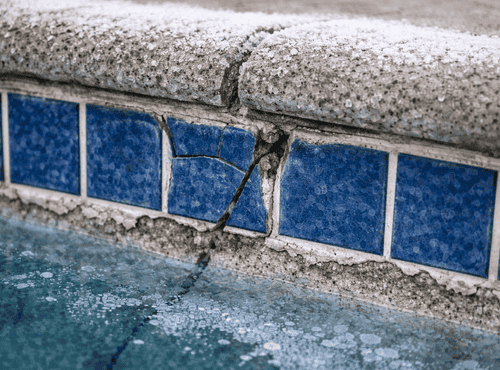
Knowing the warning signs of damage is important. Watch for:
- Cracked or missing grout lines
- Loose or wobbly tiles
- Discoloration or staining on tiles or grout
- Leaks or difficulty keeping water chemistry balanced
Visual inspection is key. Look closely at edges and corners where tiles meet. Small cracks in grout may appear as thin lines, while larger cracks can show gaps or crumbling material. If you see these signs, plan repairs before they get worse.
Preventative Measures for Winter Pool Care
Taking preventative steps before and during winter will protect your pool tile and grout. Here’s what to do:
- Winterize your pool properly: Cover your pool to prevent debris from falling in. Lower the water level slightly to avoid pressure on tiles and grout, especially if freezing is expected.
- Seal tile and grout: Apply a high-quality pool sealant before winter. This helps repel water and stains, especially on porous materials like natural stone.
- Regular cleaning: Remove leaves, twigs, and dirt. This prevents staining and mold growth. Clean tiles gently with a soft brush to avoid scratching surfaces.
- Inspect during winter: Even if the pool is covered, check for loose tiles, cracks in grout, or water accumulation near the edges.
- Protect pool edges and coping: Water can freeze along edges, potentially damaging grout or tiles. Using edge guards or protective covers helps minimize this risk.
- Check water chemistry: Keep pH and chlorine levels balanced year-round. Improper water chemistry can weaken grout over time.
Repairing and Maintaining Pool Tile and Grout After Winter
After winter, inspect your pool carefully to identify any damage. Small repairs can be done yourself, but larger problems require professional attention.
DIY repair tips:
- Regrout small cracks using a pre-mixed pool grout kit. Remove old grout carefully with a grout saw, clean the gaps, and apply new grout. Allow it to cure completely.
- Replace minor damaged tiles by removing the old adhesive, applying fresh thinset, and pressing the new tile into place.
Professional repairs:
- If grout is missing over large areas or many tiles are loose, a professional can ensure the repair is safe and lasting.
- Professionals can also apply a high-quality sealant that lasts multiple seasons, giving your tiles and grout extra protection.
Long-Term Benefits of Proper Winter Care
Taking winter care seriously has many long-term benefits:
- Extends the life of tiles and grout, preventing cracks and erosion
- Reduces costly repairs in spring or summer
- Maintains the look of your pool, keeping it inviting and safe
- Protects water balance and pool structure
Consistent winter care creates a pool that is easier to maintain and more enjoyable year-round.
FAQs
1. Can cold weather damage pool tiles in Northwest Arkansas?
Yes, even mild freezing can cause water in small cracks to expand, which may chip or loosen tiles over time. Regular inspections and winter maintenance help prevent costly repairs.
2. How often should I inspect pool grout during winter?
Check grout at least once a month, especially if your pool is uncovered or exposed to rain, debris, or fluctuating temperatures. Early detection of cracks prevents larger damage.
3. What is the best way to winterize a pool in Northwest Arkansas?
Cover the pool, slightly lower the water level, remove debris, and seal tiles and grout. Proper winterizing protects your pool surfaces from freeze damage.
4. Can I repair pool grout myself after winter?
Small cracks can be fixed with DIY grout kits, but larger areas or loose tiles should be repaired by a professional. Proper repairs ensure tiles stay secure and prevent water damage.
5. Does the type of tile affect winter damage?
Yes, natural stone tiles absorb water and are more prone to cracking. Porcelain and glass tiles resist water better but still require inspection and maintenance each winter.
Conclusion
Winter weather can affect your pool tile and grout in ways many homeowners do not realize. Even in Northwest Arkansas, cold temperatures, moisture, and debris can create cracks, stains, or loose tiles. By understanding how winter impacts your pool, inspecting it regularly, and taking preventative steps, you can protect your investment and keep your pool in top condition.
For professional pool maintenance and winter protection in Northwest Arkansas, contact BC Pools. Their team can inspect, repair, and seal your pool tile and grout to ensure your pool is ready for swimming all year long.