
Winter in Northwest Arkansas can be beautiful, but it also brings unique challenges for pool owners. One of the most important things to protect during the colder months is your pool pump and filter system. These components keep your pool water clean and circulating properly, but freezing temperatures can cause serious damage if they are not prepared for winter. Taking steps now to protect your pool equipment can save you from expensive repairs and headaches when you want to reopen your pool.
Even if you do not plan to swim during winter, your pump and filter system still need attention. Water left in the system or pipes can freeze, expand, and crack the equipment. Knowing how to winterize your pool, keep your pump running safely, and inspect your equipment regularly will help you enjoy a healthy pool year-round and avoid unexpected repairs.
Why Cold Weather Is Dangerous for Pool Equipment
Cold weather can be harsh on your pool system. Water expands when it freezes, and any trapped water inside your pump, filter, or plumbing can crack the equipment. Even small cracks or leaks can become major problems when spring comes, leaving you with expensive repairs or a non-functional pool.
According to the U.S. Consumer Product Safety Commission (CPSC), there are about 1 million in‑ground residential pools and 3 million above‑ground home pools in the United States. This shows just how many homeowners could face costly winter damage if their pool equipment is not properly protected.
Northwest Arkansas does not always experience extreme cold, but occasional freezes are common enough to cause damage. A sudden drop in temperature can be worse than a steady cold spell because it gives you less time to react. Protecting your pool pump and filter system before the temperatures drop is much easier and cheaper than repairing broken equipment.
Keep the Pool Pump Running During Freezing Temperatures
One simple way to prevent freezing is to keep water moving through the system. Running water is far less likely to freeze than standing water. During expected freezes, running your pump for several hours or continuously can help protect the pump and filter.
For pools with variable-speed pumps, running the pump at low speed can maintain circulation while using less electricity. Be sure to monitor the pump and check that it is not running dry or struggling against blockages. Continuous operation may cost a little more in electricity, but it is far less expensive than replacing a cracked pump or filter.
If your system does not have automatic freeze protection, consider using timers to turn the pump on during the coldest nights. This helps keep water moving and reduces the risk of frozen pipes or damaged equipment.
Use Freeze Protection Features if Available
Many modern pool pumps and filters come with built-in freeze protection. This feature automatically turns the pump on when temperatures drop below a set level. If your system has freeze protection, make sure the feature is activated before winter begins. Check settings, test the system, and confirm it works properly so you do not have to worry during unexpected freezes.
If you are unsure whether your system has freeze protection, check the owner’s manual or consult a pool professional. Activating freeze protection can prevent serious damage and give you peace of mind during cold weather.
Properly Winterize Your Pump and Filter System
When temperatures are expected to stay below freezing for multiple days, winterizing your pool pump and filter system is essential. Winterization protects the equipment by removing water and preventing ice from forming.
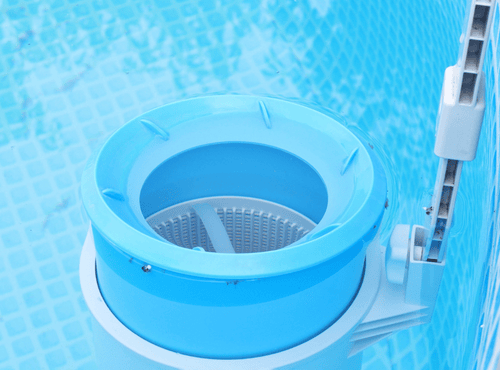
Step-by-Step Winterization
• Turn off all equipment and disconnect power.
• Close water supply valves to prevent additional water from entering the system.
• Open the drain plugs on the pump, filter tank, and heater. Allow water to flow out completely.
• Open air relief valves on the filter to ensure all remaining water drains.
• Remove drain plugs and store them in a safe, dry place.
• For plumbing lines, consider using a shop vacuum or blower to remove any remaining water.
• Check valves, fittings, and exposed pipes to make sure they are empty.
• Cover the pump and filter with insulated blankets or covers to protect against freezing.
Following these steps carefully ensures that water cannot freeze inside the system, reducing the risk of cracks, leaks, or permanent damage.
How to Drain the Pump and Filter Properly
Draining your pump and filter system correctly is one of the most critical steps in winterizing a pool. Even a small amount of water left in the pump or filter can expand when frozen and crack the housing or tank.
• Start by turning off all equipment and shutting off water supply valves.
• Open the pump basket lid and remove any debris.
• Open the drain plug at the bottom of the pump and let all water flow out.
• Open the filter tank drain and the air relief valve to allow air in and water out.
• If you have a multiport valve on a sand or DE filter, set it to the “winter” or “closed” position if your system has this option.
• Use a blower or wet vacuum for plumbing lines to ensure no water remains.
• Take care not to force any plugs or valves. Forcing them can cause damage.
Draining properly prevents freezing and protects your pool pump and filter system from costly repairs.
Insulate Pipes and Equipment
Even after draining, insulation is critical for protecting your equipment. Foam sleeves or pipe insulation work well on exposed plumbing lines. Pump and filter covers help shield the system from frost.
• Cover valves, fittings, and pipes securely but avoid wrapping too tightly. Tight wrapping can trap moisture and cause damage.
• Use materials designed for pool equipment rather than blankets or towels. These provide better insulation and reduce the risk of fire or moisture problems.
• Layering insulation can add extra protection during particularly cold periods.
Proper insulation prevents ice formation, keeps equipment safe, and extends the life of your pump and filter system.
Keep the Water Chemistry Balanced
Even in winter, proper water chemistry protects your equipment. Balanced water prevents corrosion, scaling, and algae growth, which can damage pumps and filters over time.
• Check chlorine, pH, alkalinity, and stabilizer levels before winter.
• Use winterizing chemicals as needed to maintain water balance.
• If your pool is not in use, running the pump less frequently is fine, but keeping water chemistry balanced is still essential for protecting the system.
Proper pool services also help maintain balanced water during the colder months, which protects your pump and filter.
Balanced water is a small step that saves time and money when you reopen the pool in spring.
Simple Weekly Winter Checks for Your Equipment
Winterized equipment still needs regular checks. Weekly inspections help catch problems before they become serious.
Weekly Winter Checklist:
• Check for ice buildup around valves, pipes, and the pump.
• Look for leaks or cracks in the pump, filter, and plumbing.
• Listen for unusual pump noises or vibrations.
• Ensure freeze protection features and timers are functioning properly.
• Confirm that insulation and covers remain in place.
Early detection of issues prevents major damage and ensures your pool pump and filter system is ready for spring.
Additional Tips for Extreme Cold
In areas that experience extreme cold, consider additional protection measures:
• Install an equipment enclosure or small pump house to shield your system from freezing.
• Install a bypass for your pool heater to avoid strain on the pump during winter.
• Use a variable-speed pump at low speed to maintain circulation while saving energy.
• Keep an emergency supply of pool antifreeze for plumbing lines if multiple freezes are expected.
These extra precautions provide additional layers of safety for your pool system and minimize the risk of freeze-related damage.
When to Call a Pool Professional
Sometimes DIY winterization is not enough, and calling a professional pool builder is the safest option. Experienced technicians can inspect your system, perform proper winterization, and ensure your equipment is safe from cold weather damage.
Professional assistance can prevent long-term problems and give peace of mind knowing your pool will be ready when the swimming season returns.
Conclusion
Protecting your pool pump and filter system in cold weather is essential for maintaining a safe and functional pool. Running the pump, using freeze protection, draining and winterizing equipment, insulating pipes, maintaining water balance, and performing weekly checks are all steps that help prevent damage and costly repairs.
Taking action before cold weather arrives is much easier than fixing broken equipment. For expert help with winter pool care and equipment protection in Northwest Arkansas, BC Pools is here for you. Our team offers reliable pool services to keep your system safe all winter long. Contact us today and let us help you prepare your pool for the colder months.