
Winter in Northwest Arkansas can be beautiful, but it can also be a challenging season for pool owners. Cold temperatures, freeze-thaw cycles, and heavy winter rain can all affect the soil around your pool. Over time, these changes can put stress on your pool foundations, leading to cracks, uneven surfaces, or even plumbing issues. Understanding how winter affects your pool foundations is the first step to keeping your pool safe and in good condition.
Many homeowners may not realize that even minor soil shifts during winter can cause long-term problems. The ground expands and contracts with temperature changes, and moisture can make soil unstable. Pools are heavy structures, and any movement in the soil can cause serious damage if left unchecked. By learning what to look for and how to protect your pool foundation, you can prevent costly repairs and ensure your pool remains reliable and beautiful for years to come.
What Is Soil Movement?
Soil movement is the shifting, expanding, or contracting of the ground under and around your pool. In Northwest Arkansas, soil is often clay-rich, making it more prone to movement during wet or cold conditions. Clay soils expand when wet and contract when dry or frozen. Sandy soils drain better and move less, but can erode if not managed properly. Loamy soils are more stable but still require proper drainage and maintenance.
Winter is particularly risky because freeze-thaw cycles can repeatedly push and pull on the soil. This movement can create pressure against the pool foundation, potentially leading to cracks in the walls or decking. Even small shifts can affect plumbing, equipment, and water levels. Understanding soil movement and how different soil types behave in winter is crucial for every pool owner in the region.
How Winter Conditions Trigger Soil Movement
Winter brings several factors that increase the risk of soil movement. Freezing temperatures are a major contributor. When water in the soil freezes, it expands and pushes against the pool foundation. According to the USDA Natural Resources Conservation Service, freezing and thawing of moisture‑rich soil can cause frost action, which leads to soil heaving and movement beneath structures when certain soil types are present. When it thaws, the soil contracts, leaving gaps under or around the pool. Heavy winter rain can saturate the ground, making it soft and unstable. If the soil around your pool is not properly drained, water can pool, increasing the risk of foundation movement. Rapid temperature swings can also stress the soil and the pool structure.
Homeowners in Northwest Arkansas should pay close attention to winter weather, check their pools after storms, and observe any changes in water levels or decking. Being proactive during the winter months can help prevent minor issues from turning into major foundation problems.
Visual Cues and Warning Signs for Homeowners
It is important for homeowners to know what to look for during winter so they can spot potential pool foundation issues early. Even minor warning signs can indicate that the soil around your pool is shifting and putting pressure on your pool foundation. Paying attention to these visual cues allows you to act before the damage worsens.
Look for these signs during winter:
- Cracks in the pool walls or floor
- Tiles or coping stones that are uneven or shifting
- Water levels that drop unusually fast or unevenly
- Unusual noises in pool equipment
- Cracks are forming along the pool deck
Noticing any of these signs should prompt further inspection or professional evaluation. Early detection is key to preventing serious damage and costly repairs.
Effects of Soil Movement on Pool Foundations
Soil movement can have both visible and hidden effects on your pool foundation. Cracks in the pool walls, floor, or coping stones are the most obvious signs. These cracks can allow water to leak out, causing further damage over time.
Shifting soil can also make your pool uneven, posing safety hazards and damaging the surrounding decking. Plumbing lines are especially vulnerable because they are rigid and cannot move with the soil. Even minor soil movement can cause pipes to crack or valves to break. Homeowners may also notice unusual water levels or misaligned tiles. Detecting problems early can prevent more costly repairs later and help maintain a safe, stable pool environment.
Risk Factors That Make Pools More Vulnerable
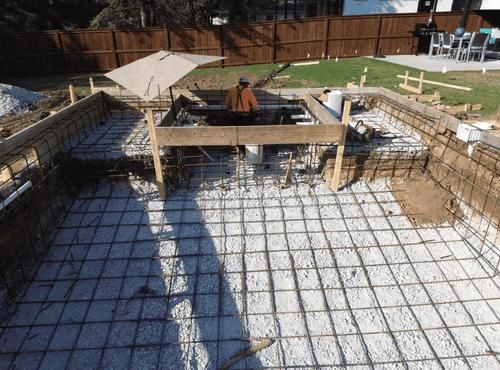
Certain pools are more likely to experience soil movement issues during winter. Older pools may have weaker foundations or construction methods that did not account for soil changes. Pools built on clay-heavy soils or near slopes are at higher risk. Landscaping and large trees can contribute to soil instability. Tree roots can shift the soil, and heavy landscaping may block proper drainage. Pools with poorly compacted soil during construction are also more vulnerable.
Pools are more at risk if they have:
- Older construction or weaker foundations
- Clay-heavy soil or pools built near slopes
- Large trees or landscaping that affects soil stability
- Poorly compacted soil during construction
Understanding these risk factors helps homeowners take proactive steps to protect their pool foundation during winter.
Winter Preparation Tips Homeowners Can Do Themselves
Even before a professional inspection, homeowners can take simple steps to reduce winter risks. Paying attention to the area around your pool and making small adjustments can prevent minor soil shifts from causing major problems.
Simple steps homeowners can take before winter:
- Ensure proper drainage around the pool to prevent water from pooling
- Remove leaves, debris, and anything that blocks drainage paths
- Check for small cracks or tilting tiles before storms or freezes
- Avoid adding extra weight near the pool, such as heavy snow or ice
- Monitor soil and water levels around the pool for early signs of movement
Taking these steps can help maintain stable pool foundations and make winter safer for both the pool and homeowners.
Preventive Measures for Homeowners
Beyond simple preparation, there are professional measures that protect your pool foundation from winter soil movement. Winter inspections, proper soil compaction, and the use of flexible construction materials all help reduce risk. Scheduling a professional check ensures that small problems are identified before they become major repairs.
Professional and preventive measures include:
- Winter inspections for early signs of foundation issues
- Proper soil compaction and backfill during construction or renovations
- Flexible plumbing and coping stones to adjust to minor soil shifts
- Professional evaluation and repair from experts like BC Pools
Combining homeowner preparation with professional support gives the best protection for your pool foundation during winter.
What to Do If You Notice Foundation Shifts
If you notice cracks, uneven surfaces, or unusual water levels, it is important to act quickly. Avoid trying to fix serious foundation issues yourself. Temporary fixes may help, but professional evaluation is the safest way to prevent further damage.
A qualified pool expert can assess your pool foundation, determine the cause of movement, and recommend repairs. Early intervention can save homeowners significant repair costs and prevent long-term problems. Waiting too long may lead to more extensive structural damage, so prompt action is key.
Long-Term Solutions
Long-term solutions for winter soil movement include reinforcing the pool foundation, improving drainage, and stabilizing the surrounding soil. Using materials designed to withstand soil movement in new pools can prevent future issues. Regular winter maintenance is also critical. Scheduling inspections before and after winter allows homeowners to catch problems early and maintain a stable, safe pool foundation. BC Pools can help homeowners implement these solutions, ensuring their pools remain safe and beautiful year-round.
Conclusion
Winter soil movement is a serious concern for pool foundations in Northwest Arkansas. Freeze-thaw cycles, heavy rain, and unstable soil can all create cracks, uneven surfaces, and plumbing problems if left unchecked. Understanding these risks and taking preventive measures can save homeowners time, money, and stress. Regular inspections, proper drainage, and attention to soil and water levels can help maintain a safe and stable pool foundation throughout the winter months.
For homeowners who want peace of mind, BC Pools offers professional winter inspections and foundation protection services. Our team can assess your pool foundations, identify potential issues early, and recommend solutions to keep your pool safe and beautiful. Protecting your pool foundation during winter is one of the smartest investments you can make to ensure your pool remains a reliable and enjoyable part of your backyard for years to come.