
If you own a pool in Northwest Arkansas, you know how important it is to protect it during the winter months. A pool cover is one of the best ways to keep your pool safe, clean, and ready for the next swimming season. It helps prevent debris like leaves, sticks, and dirt from getting into your pool while also protecting it from cold temperatures and unexpected weather changes. Choosing the right pool cover for your pool is not just about keeping it clean. It is about protecting your investment and making your life easier when spring comes.
Winter weather in Northwest Arkansas can be unpredictable, with freezing temperatures, ice, and heavy rain. Without a proper pool cover, your pool can suffer damage, require extra maintenance, or create safety concerns. Knowing the different types of pool covers and their benefits can help you choose the best option for your home and climate.
Why You Need a Winter Pool Cover
A winter pool cover does more than just keep your pool looking clean. It protects your pool from debris like leaves, pine needles, and small branches, which are common in Northwest Arkansas neighborhoods during the fall and winter. Without a cover, these items can sink to the bottom and require significant cleaning.
Another important reason to use a pool cover is safety. A properly secured pool cover can prevent accidental falls into the water, which is especially important for homes with children or pets. Winter pool covers also protect the pool structure from freezing temperatures, reducing the chance of cracks in the pool walls or damage to plumbing systems. Finally, using a pool cover reduces chemical use and maintenance in the spring, saving you time and money.
According to the U.S. Environmental Protection Agency, pool covers can reduce water evaporation by up to 95 percent, which helps maintain water levels, preserve chemical balance, and lower overall maintenance costs during the winter months.
Types of Winter Pool Covers
When choosing a winter pool cover, it is important to understand the main options available. Each type has benefits and limitations, so your choice will depend on your pool type, budget, and maintenance preferences.
Solid Covers
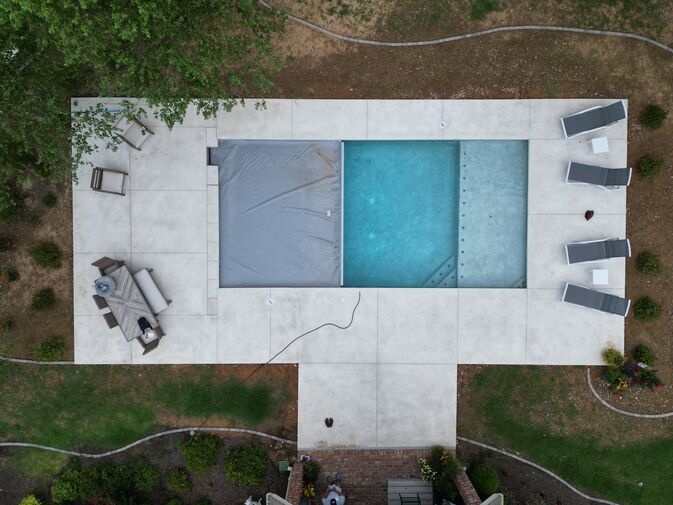
Solid covers completely block sunlight and debris from entering your pool. They are very effective at preventing algae growth and keeping the water clean. Solid covers usually require water bags or anchors to hold them in place. One drawback is that rainwater and snow can collect on top, which may require draining periodically.
Mesh Covers
Mesh covers allow water to pass through while blocking leaves and debris. This means you do not need to drain rainwater from the cover, but fine particles may still enter the pool. Mesh covers are lighter and easier to handle than solid covers, making installation and removal simpler.
Automatic Covers
Automatic pool covers are convenient because they can be opened or closed at the push of a button. They provide excellent safety and are very durable. These covers tend to be more expensive, but they save time and reduce maintenance during the off-season.
Custom Covers
Custom pool covers are tailored to your pool’s exact dimensions. They are available in solid, mesh, or automatic styles. A custom cover ensures a tight fit, which maximizes safety and protection from debris.
Factors to Consider When Choosing a Cover
Choosing the right pool cover requires considering a few key factors.
Pool Size and Shape
Your pool’s shape will determine the type of cover that fits best. Standard rectangular pools may fit off-the-shelf covers, but irregular or freeform pools often need custom covers.
Climate and Weather
Northwest Arkansas winters can be mild or severe. Consider the likelihood of ice, snow, or heavy rain when selecting your pool cover. Covers that can handle moisture and prevent sagging are ideal.
Safety
If you have children or pets, safety is a priority. Look for covers that are weight-bearing and can be securely anchored.
Maintenance Requirements
Some covers require more maintenance than others. Solid covers may need water removed from the top, while mesh covers need occasional debris removal. Automatic covers are low maintenance but more costly.
Budget
Consider your budget along with long-term benefits. Investing in a durable cover can save money by preventing damage and reducing chemical use.
Durability and Warranty
A quality pool cover should last several seasons. Check for warranties and material durability to ensure you get the best value.
Installation Tips
Installing a winter pool cover correctly is crucial to its effectiveness. Some covers are easy to install yourself, but larger or custom covers may need professional installation. Make sure the cover is tight and secure, especially in windy conditions, to prevent debris from getting underneath. Use anchors or weights as recommended for the type of cover you choose. For mesh or solid covers, remove leaves and debris before securing the cover to prevent punctures or stretching. Store the cover in a dry location during removal to prolong its life.
Common Mistakes to Avoid
When using a winter pool cover, avoid these common mistakes:
- Choosing a cover that does not fit your pool correctly
- Failing to secure the cover properly, which can lead to debris accumulation
- Ignoring water accumulation on solid covers, which can cause damage
- Not inspecting the cover regularly for wear and tear
- Skipping winter chemical treatment if needed
Maintenance While Your Pool Is Covered
Even with a winter pool cover, some maintenance is necessary. Regularly remove leaves and debris from the surface of the cover. Check for tears or loose straps to ensure safety. If you are using solid covers, remove excess water from rain or snow. Winter chemicals may also be required to balance the water and prevent algae growth. Regular inspection helps prevent costly repairs in spring.
Local Considerations for Northwest Arkansas
Northwest Arkansas winters vary, and it is important to consider local climate patterns. Occasional freezing temperatures, rainfall, and falling leaves are all common. Heavy storms can bring debris from nearby trees into your pool area. Choosing a cover designed to withstand these conditions will protect your pool and reduce maintenance work. If your pool is in a neighborhood with many trees, a solid cover may be better, while mesh covers may be suitable for pools in open spaces.
Cost and Value Considerations
The cost of a pool cover depends on type, size, and features. Solid and mesh covers are generally more affordable, while automatic and custom covers cost more upfront. However, a higher-quality cover provides long-term value by protecting your pool, reducing chemical use, and preventing damage. Consider the cost of potential repairs if a pool is left uncovered versus the investment in a reliable cover.
Conclusion
Choosing the right winter pool cover for your Northwest Arkansas pool is important for safety, protection, and ease of maintenance. By understanding the different types of covers, local climate factors, installation tips, and ongoing maintenance needs, you can make a smart decision that helps protect your pool and reduce spring cleanup work.
In addition to winter pool covers, professional pool services can help protect your investment year-round. Regular maintenance, pool repairs, equipment inspections, and seasonal services all help keep your pool in great condition. If you are unsure which winter pool cover is best for your pool or would like help with other pool services, contact BC Pools today. You can also request a free pool quote to receive expert guidance tailored to your pool and your needs.
Frequently Asked Questions
1. Do I really need a winter pool cover for my pool in Northwest Arkansas?
Yes. Even if your winters are mild, a pool cover protects your pool from debris, reduces maintenance, and prevents potential damage from freezing temperatures or storms.
2. Can I install a winter pool cover myself?
Smaller or standard rectangular pool covers can often be installed by homeowners. However, larger, custom, or automatic covers may require professional installation to ensure safety and proper fit.
3. How long should I keep the pool covered during winter?
Most homeowners in Northwest Arkansas cover their pools from late fall until early spring. This timing protects the pool through the coldest months and reduces spring cleanup work.
4. How do I maintain a winter pool cover?
Regularly remove debris from the cover, check straps or anchors for security, and drain excess water from solid covers. Proper maintenance helps the cover last longer and keeps your pool safe.
5. Can a winter pool cover prevent algae growth?
Yes. Solid and some custom covers block sunlight, which prevents algae from growing during the winter months. Combining a cover with proper chemical treatment provides the best protection.